


Skin barrier grooming product types fall into three functional camps: occlusives that seal moisture in, humectants that pull water into skin, and emollients that smooth rough patches by filling gaps between skin cells. Most creams, balms, ointments, oils, and sprays on your shelf are just different delivery systems for one or more of these three jobs. Board-certified dermatologists like Dr. Lesley Clark-Loeser and Dr. Melanie Palm both point to this same trio when explaining barrier repair, and it’s the framework Ironwoodgrooming builds every formula around.
Here’s the quick mechanism-to-use map:
- Occlusives (petrolatum, beeswax): overnight seal, post-shave recovery, chapped patches
- Humectants (glycerin, hyaluronic acid): daytime hydration, layering under other products
- Emollients (ceramides, shea butter, squalane): daily smoothing, softening coarse beard hair and the skin beneath it
Key Takeaways
Effective skin barrier grooming product types work by combining occlusives, humectants, and emollients rather than relying on a single ingredient category alone.
| Point | Details |
|---|---|
| Match mechanism to need | Use occlusives overnight or post-shave, humectants for daytime hydration, emollients for daily smoothing. |
| Choose form by beard type | Coarse beards do best with fast-absorbing oils or balms; very dry patches need ointments. |
| Prioritize repair ingredients | Look for ceramides, glycerin, hyaluronic acid, squalane, and NMFs on the label. |
| Skip irritants when compromised | Avoid fragrance, denatured alcohol, and harsh sulfates if skin is already reactive. |
| Build a barrier-first routine | Ironwoodgrooming’s Ultra Soft Beard Wash and Majestic Beard Bundles cover cleanse, hydrate, and seal steps in one system. |
Table of Contents
- How Do Occlusive, Humectant, and Emollient Ingredients Work?
- Which Product Forms Work Best for Beards and Facial Skin?
- Which Ingredients Should You Look for and Which Should You Skip?
- How Should You Layer Barrier Products Into Your Routine?
- Why Simplicity Beats a Ten-Step Routine
- Where Ironwoodgrooming Fits Your Barrier-First Routine
- Sources
How Do Occlusive, Humectant, and Emollient Ingredients Work?
Each mechanism solves a different piece of the same problem: your skin barrier loses water faster than it should, especially after shaving, cold-weather exposure, or a harsh cleanser strips its natural oils.
Occlusives work like a raincoat. They sit on top of skin and physically block transepidermal water loss (TEWL), the process by which moisture escapes through your outer layer. Petrolatum is the benchmark here. It can be formulated at concentrations up to 46.5% to deliver roughly eight hours of protective coverage, which is why it shows up in heavy-duty balms and post-shave ointments rather than lightweight daily lotions.
Humectants work differently. Glycerin and hyaluronic acid draw water molecules toward the skin’s surface, either pulling from deeper layers or from the air around you on humid days. That’s powerful, but on its own it can backfire in dry climates: a humectant with nothing to trap the water underneath will pull moisture up and let it evaporate right back out. Pairing a humectant with an occlusive fixes that gap.
Emollients round things out by filling the microscopic gaps between skin cells, the way grout fills space between tiles. Ceramides and shea butter don’t just sit on top or pull water in. They integrate into the skin’s structure and smooth the rough, flaky texture that shows up when the barrier is compromised. Novel formulations increasingly combine ceramides with vitamin B3 to actively support repair, not just mask dryness temporarily.
Which Product Forms Work Best for Beards and Facial Skin?
Ointments make sense for very dry, cracked, or chafed patches, especially where razor burn or windburn has already broken the skin. Their thick, petrolatum-heavy base is built for maximum occlusion, not for daily wear across a full beard. Creams strike the middle ground: lighter than ointments, still substantial enough to lock in moisture, and better suited to face and neck skin that needs consistent hydration without heaviness.
Balms and oils dominate the beard-specific category for good reason. A beard oil conditions hair shafts and the skin underneath simultaneously, absorbing fast enough that it won’t leave coarse beards looking slicked down. Balms add light hold along with hydration, useful if you’re shaping or taming flyaways while still treating dry skin at the root. Sprays are the outlier: convenient for quick refreshes but generally too thin to deliver meaningful barrier support on their own.
- Ointments: maximum occlusion, best for cracked or chapped spots
- Creams: balanced hydration for face and neck
- Balms: hydration plus light hold, ideal for shaping coarse beards
- Oils: fast absorption, conditions hair and skin together
- Sprays: convenient refresh, minimal barrier protection
Pro Tip: Apply beard oil or balm to damp skin right after a shower, working from the roots outward. Coarse beards trap product near the surface if you start at the tips, which is what causes that waxy build-up men complain about.
Which Ingredients Should You Look for and Which Should You Skip?
Prioritize ingredients that either rebuild the barrier structurally or hold water inside it. Ceramides top that list, since they replace the same lipids your skin naturally loses with age, sun exposure, and daily shaving. Pair them with glycerin and hyaluronic acid for hydration, squalane for lightweight conditioning, and natural moisturizing factors (NMFs) that mimic what healthy skin already produces. Barrier repair formulations that combine ceramides with humectants do more than temporarily hydrate. They actively rebuild the barrier’s intercellular matrix.
On the flip side, skip fragrance, denatured alcohol, and harsh sulfates if your skin is already reactive or flaking. These ingredients strip natural oils or trigger sensitivity in skin that’s already compromised. Fragrance-free doesn’t mean scentless products are off the table entirely. It just means checking for essential-oil-based scent systems instead of synthetic fragrance blends, which is exactly how Ironwoodgrooming formulates its lineup.
Dr. Lesley Clark-Loeser notes that a compromised barrier shows up as more than just dryness. It shows increased sensitivity to environmental stress and irritation, which is why repair products need to target specific structural lipids rather than surface-level moisture alone.
Dr. Melanie Palm points to squalane, NMFs, and ceramides specifically as the conditioning ingredients that reduce redness and speed recovery when barrier function is already down.
How Should You Layer Barrier Products Into Your Routine?
A basic barrier-first routine follows one order: cleanse, treat, seal, protect. Here’s how that breaks down in practice.
- Cleanse gently with a sulfate-free wash. Hot water and aggressive scrubbing are two of the fastest ways to strip natural oils and trigger barrier damage.
- Apply any treatment actives (niacinamide, targeted spot treatments) to clean, slightly damp skin.
- Layer a humectant first if you’re using one separately, then follow with an occlusive or emollient balm to lock that hydration in.
- Add sunscreen in the morning if you’re stepping outside. UV exposure accelerates barrier breakdown just as fast as harsh products do.
Post-shave skin needs extra attention. Razors remove a thin layer of dead skin along with hair, which temporarily thins your barrier’s outer defense. Apply your barrier balm or oil immediately after shaving, while skin is still slightly damp, rather than waiting until it fully dries.
Adjust for your environment: oily skin types can skip heavy occlusives during the day and save them for nighttime, dry or sensitive skin usually needs both humectant and occlusive layers year-round, and cold, low-humidity climates call for heavier balms regardless of skin type.
Pro Tip: If your beard feels waxy by midday, you’re using too much product or the wrong form for your climate. Switch to a lighter oil in humid months and save thicker balms for cold, dry stretches.
Watch for signs your barrier needs more than a product swap: persistent redness that doesn’t fade within a day, swelling, or any sign of infection around irritated patches. Those symptoms call for a dermatologist visit, not a heavier balm.
Why Simplicity Beats a Ten-Step Routine
Most men don’t need five products fighting for space on the same patch of skin. Pick one occlusive or emollient formula that matches your beard density and your climate, use it every day, and give it a few weeks before judging results. The science behind sensitive-skin beard routines backs this up: consistency with a well-matched product outperforms rotating through trendy ingredients every month. That’s the formulation philosophy behind every batch Ironwoodgrooming makes.
Where Ironwoodgrooming Fits Your Barrier-First Routine
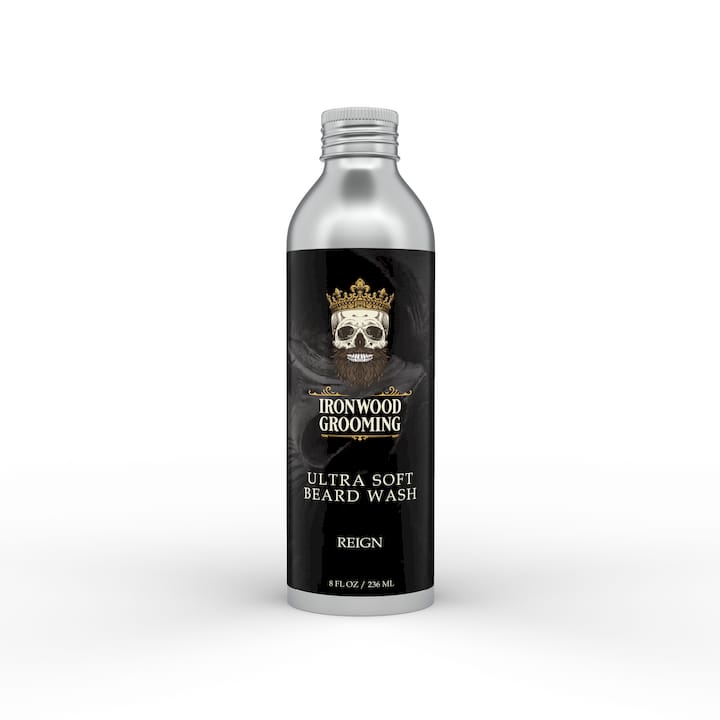
Ironwoodgrooming builds every formula around the same three mechanisms covered above, without fillers or synthetic shortcuts diluting the lipids your skin actually needs. If your beard washing routine currently relies on a bar soap that strips oils, the Ultra Soft Beard Wash cleanses without the harsh sulfates that trigger irritation in sensitive or reactive skin.
For a complete routine in one order, the Vegan Majestic Beard Bundle pairs plant-based cleansing with hydrating and sealing steps, built for men who want cruelty-free ingredients without compromising barrier support. The Majestic Beard Bundle covers the same cleanse-hydrate-seal sequence for men who want an all-in-one system without assembling separate products themselves.
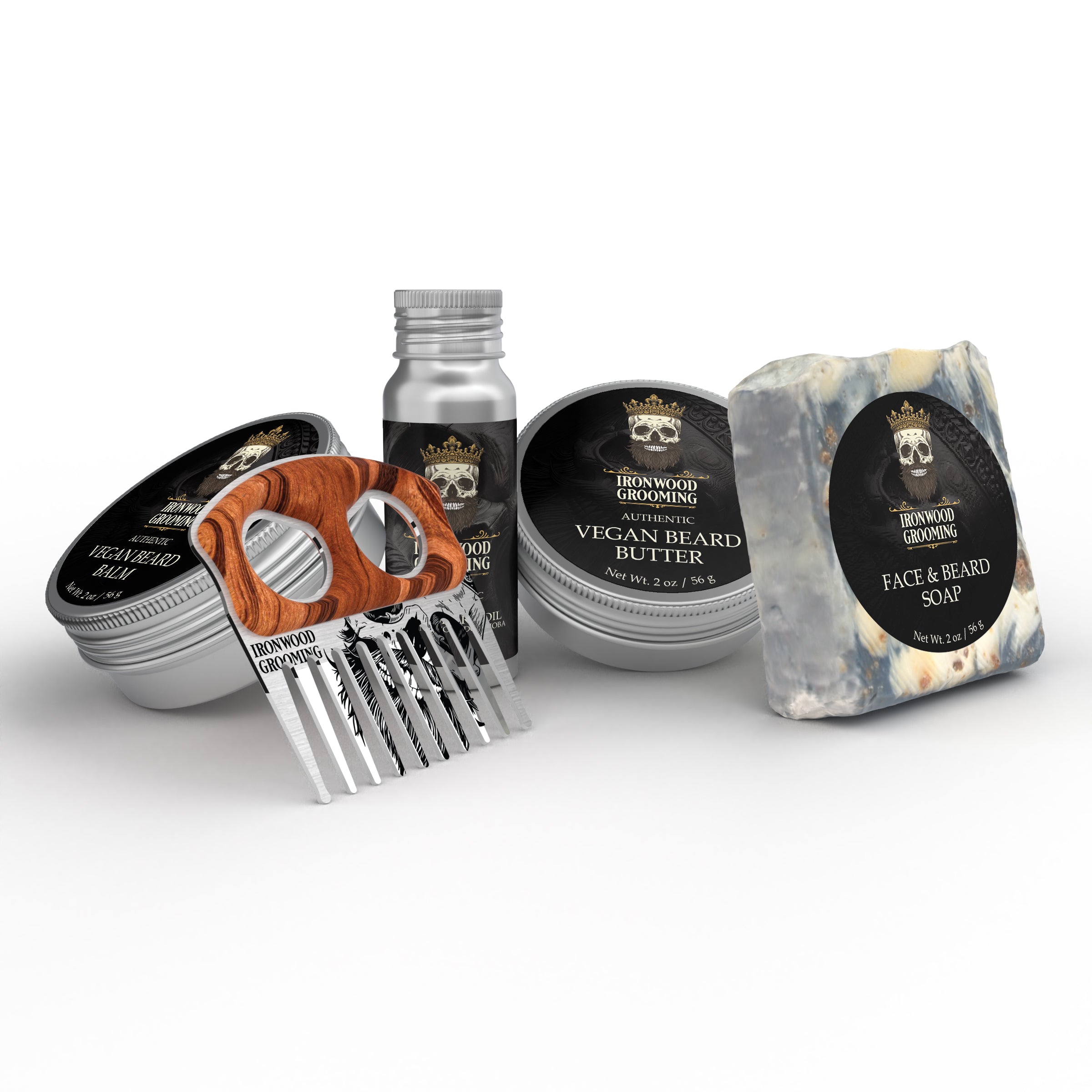
If your skin runs dry or your beard feels coarse and unruly, start with whichever bundle matches your ingredient preference and layer in the wash for daily use. Shop the Majestic Beard Bundle today and build a routine your skin can actually keep up with.
Sources
- Moisturizers - StatPearls - NCBI Bookshelf
- Barrier cream — DermNet NZ
- Grooming: Safe, Healthy Habits Explained - Acibadem Hospitals Group
- Best barrier repair treatment — Allure

